Losing a loved one or friend to suicide is like no other loss. People who experience the aftermath of the death of someone who died by suicide even have their own label: survivors of suicide loss.
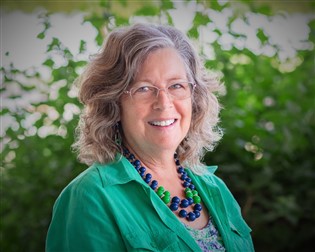
I have survived the loss of a loved one to suicide. When my 21-year-old son died by suicide, I became a survivor of suicide loss. If you have experienced a loss, I will never tell you I know how you feel or that you will get through it. I understand everyone grieves differently.
What I will tell you is that there are ways to adjust to your new normal and move forward in your life. Most suicide deaths are sudden and unexpected. Survivors of suicide loss feel shock, unbearable pain, and guilt. They beat themselves up trying to think of what action they could have taken to prevent their child, spouse, partner, or dear friend from choosing to end their life.
Ultimately, we must accept that we cannot control the choices others make. We are still here on the planet; we are alive, and we have to decide how to live with that reality. My belief is that we can never forget what happened, but we can make an effort to prevent others from suffering the way we have.
Many survivors of suicide loss use their experiences to either help other survivors through their journeys of loss and recovery, to teach others what they have learned about mental health disorders and the causes of suicide, or to advocate for suicide prevention.
If you are a survivor, I encourage you to take time to begin your own healing journey by working through your feelings before moving on to helping others. That process may include attending support groups, seeking professional therapy, or taking grief recovery classes. Once you feel you can openly talk about your loss without breaking down, you are ready to enter the next phase of recovery.
Support Groups
Many survivors find comfort in attending support groups for survivors of suicide loss. You could choose to lead or co-lead one of those groups. Many communities have SOS (Survivors of Suicide) groups that meet regularly, but if there isn’t one in your community, you can form one. Don’t do it on your own, though. It is best to work with an organization that can provide training and resources for SOS group leaders.
There are national organizations in the U.S. that have branches all over the country that provide support, resources, and community for survivors of suicide loss who have lost a loved one to suicide. Key organizations include the American Foundation for Suicide Prevention (AFSP), Alliance of Hope, and SAVE (Suicide Awareness Voices of Education).
Find local groups that may not be affiliated with national organizations by doing internet searches for survivors of suicide loss in your community.
Education
You can find plenty of resources for teaching others about suicide prevention. Options range from mental health education presented by NAMI (National Alliance on Mental Illness) and other organizations to those that deal specifically with suicide prevention.
Two of the shortest and most well-known programs are SafeTALK and QPR.
safeTALK
What it is: A short, interactive workshop focused on recognizing suicide warning signs and connecting people to help.
Audience: General public
Format: 3–4 hour, in-person or virtual
Website: https://www.livingworks.net/safetalk
QPR Institute
What it is: Gatekeeper training that teaches participants to Question, Persuade, and Refer someone at risk of suicide.
Audience: Schools, workplaces, community members
Format: Short trainings (often 1–2 hours), online or in person
Website: https://qprinstitute.com
Mental Health First Aid is longer and more comprehensive:
Mental Health First Aid (MHFA)
What it is: Training that teaches how to identify and respond to mental health and substance use challenges, including suicidal thoughts.
Audience: General public, parents, educators, workplaces, community members
Format: In-person and online (Adult, Youth, Teen versions)
Website: https://www.mentalhealthfirstaid.org
There are many more resources for teaching others. Start by choosing one you are interested in learning about and attending the training. Then share what you have learned with others. If you are part of an organization or work at a school, you may be able to organize a training for your group.
Advocacy
Making the effort to organize and schedule training is actually a form of advocacy. You are advocating the importance of teaching people in your community how to prevent suicide. Advocacy can be small and local or much broader. Many survivors of suicide loss work together to advance legislation that supports suicide prevention strategies in your city or state. You can even meet with representatives in Washington DC, to promote suicide prevention efforts at the national level.
Perhaps the most powerful example of advocacy at the federal level is the creation of 988 as the suicide and crisis lifeline. A coalition of suicide prevention organizations worked together for years to accomplish the goal of making help easily available for people experiencing suicidal ideation.
AFSP, the American Foundation for Suicide Prevention, has developed a model that teaches volunteer advocates how to help shape public policy at the state and federal levels and pass suicide prevention policies that will save lives. Many survivors of suicide loss find that learning about advocacy and being a part of implementing real change is one of the most powerful ways they can use their experience to help others.
Take Action
If you are a survivor or just a person who wants to learn how to prevent suicide, pick an activity that resonates with you and take the first step. Get involved with an organization in your community. Participating in suicide awareness and prevention events with other survivors often feels supportive because it is reassuring to know that you are not alone. Others have experienced your pain. You can do something to make a difference.
Any action you choose doesn’t have to consume all of your time, and you don’t have to do it forever. Just do what works for you and move on. You will get satisfaction from accomplishing something important in this world, and you will be taking steps to move forward in your life.
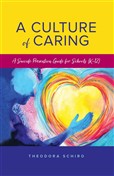 A
Culture of Caring: A Suicide Prevention Guide for Schools (K-12) was
created as a resource for educators who want to know how to get started and
what steps to take to create a suicide prevention plan that will work for their
schools and districts. It is written from my perspective as a school principal
and survivor of suicide loss, not an expert in psychology or counseling. I hope
that any teacher, school counselor, psychologist, principal, or district
administrator can pick up this book, flip to a chapter, and easily find helpful
answers to the questions they are likely to have about what schools can do to
prevent suicide.
A
Culture of Caring: A Suicide Prevention Guide for Schools (K-12) was
created as a resource for educators who want to know how to get started and
what steps to take to create a suicide prevention plan that will work for their
schools and districts. It is written from my perspective as a school principal
and survivor of suicide loss, not an expert in psychology or counseling. I hope
that any teacher, school counselor, psychologist, principal, or district
administrator can pick up this book, flip to a chapter, and easily find helpful
answers to the questions they are likely to have about what schools can do to
prevent suicide.