The loss of a loved one—whether a friend or a family member—is painful no matter how close or distant the relationship may have been. Grief doesn’t follow logic, and it doesn’t respect boundaries of time, place, or circumstance. Sometimes the moments replay in our minds—the things we said, the things we didn’t say, the choices made in seconds that can haunt us forever.
When we lose someone close to us to suicide, the grief can feel overwhelming. Along with the sadness, many of us carry guilt, questioning whether we should have seen the signs or done something differently to prevent the loss. Grief often comes in waves, arriving unexpectedly and with intensity.
People cope with grief in different ways. Some stay immersed in it, finding a strange comfort in holding tightly to their pain. Others try to lock it away, believing that shutting it out is the only way to survive. There is no single “right” way to grieve. For many, however, helping others through their grief becomes a powerful path toward healing—an opportunity to adapt and find meaning in a new normal.
One meaningful way we can help is by learning about suicide: what contributes to it, how to recognize warning signs, and how it can be prevented. By participating in suicide prevention training, you may be able to recognize when someone is struggling—and in doing so, you could help save a life.
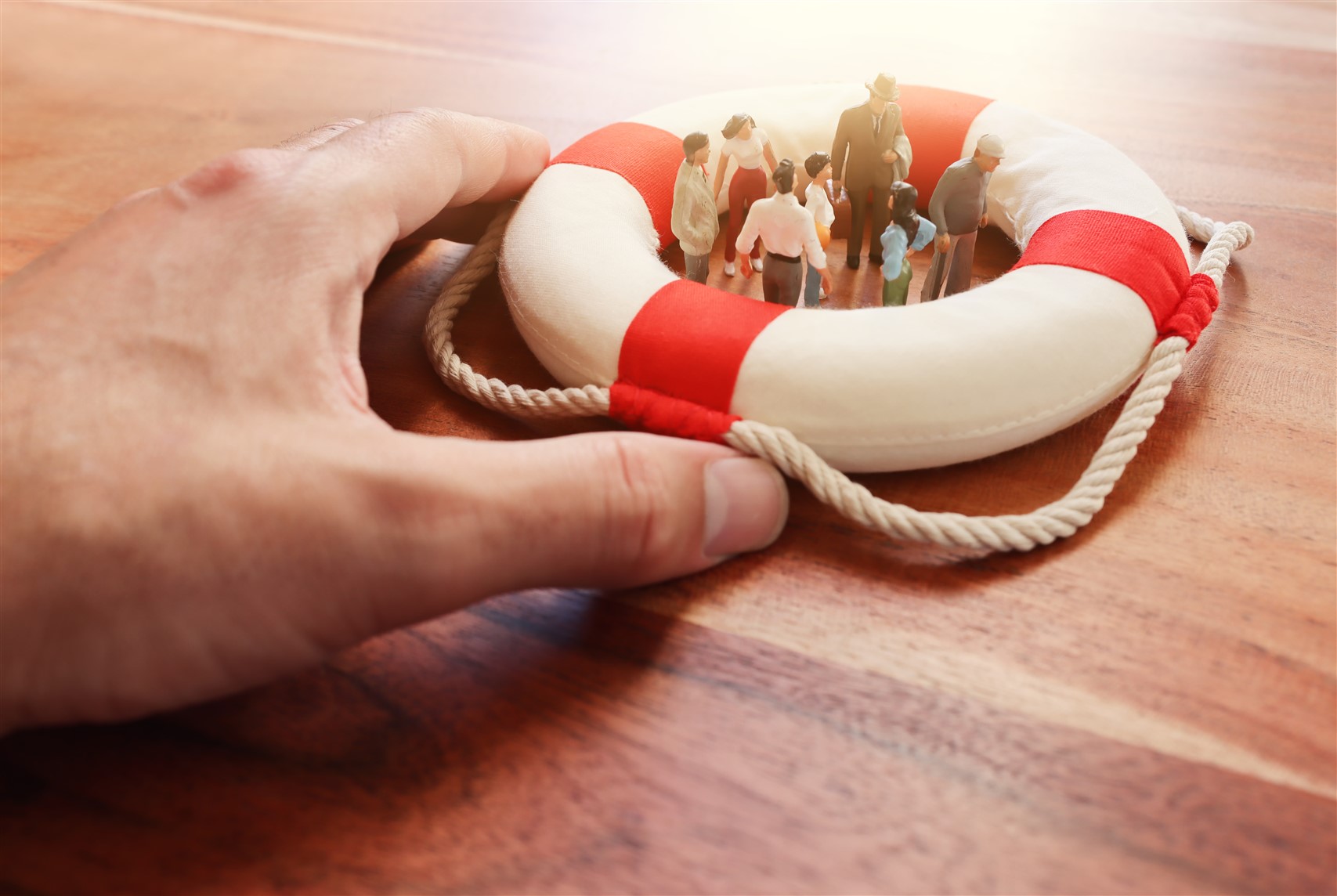
There have been several occasions when, after completing training, I used what I had learned to help a stranger. One day I was at the doctor’s office, and noticed a woman who appeared deeply sad and was clearly suffering. Instead of walking by or ignoring her, I stopped to ask her if she was thinking about suicide. She told me her story about the difficulties she was experiencing and that she was considering suicide. I shared the resources I had learned about in my recent training, and she seemed grateful to have a pathway to get professional help and support. I don’t know if I saved her life, but I offered her a lifeline.
Suicide Prevention Training & Support Resources
Suicide Prevention Training and Support Resources [PDF]Suicide prevention training is available to anyone who wants to learn how to recognize warning signs, respond with compassion, and connect people to help. These programs range from brief awareness sessions to interactive, skills-based trainings with role-play and simulations. Many are available in your community for free. If there is a fee, your employer might be willing to cover the cost, especially if you work at a school.
GENERAL SUICIDE PREVENTION TRAINING
Mental Health First Aid (MHFA)
What it is: Training that teaches how to identify and respond to mental health and substance use challenges, including suicidal thoughts.
Audience: General public, parents, educators, workplaces, community members
Format: In-person and online (Adult, Youth, Teen versions)
Website: https://www.mentalhealthfirstaid.org
safeTALK
What it is: A short, interactive workshop focused on recognizing suicide warning signs and connecting people to help.
Audience: General public
Format: 3–4 hour, in-person or virtual
Website:
https://www.livingworks.net/safetalk
QPR Institute
What it is: Gatekeeper training that teaches participants to Question, Persuade, and Refer someone at risk of suicide.
Audience: Schools, workplaces, community members
Format: Short trainings (often 1–2 hours), online or in person
Website: https://qprinstitute.com
LivingWorks – ASIST
What it is: Applied Suicide Intervention Skills Training (ASIST)—an in-depth, evidence-based intervention program.
Audience: Community leaders, educators, volunteers, first responders
Format: Two-day interactive workshop
Website:
https://www.livingworks.net/asist
VA S.A.V.E. - Supporting Our Veterans
What it is: This training focuses on four steps to help you assist a Veteran.
Audience: Family, friends, and providers
Format: Short trainings (often 1–2 hours), online or in person
Website:
https://learn.psycharmor.org/courses/va-s-a-v-e
In-person contact:
VeteransCrisisLine.net/LocalResources
YOUTH-FOCUSED & SCHOOL-BASED PROGRAMS
Signs of Suicide (SOS)
What it is: Evidence-based suicide prevention program teaching youth to recognize warning signs and seek help. Includes individual screening for students.
Audience: Middle school and high school students, educators
Format: Classroom-based curriculum
Website: https://www.mindwise.org/suicide-prevention
The Jed Foundation (JED)
What it is: A nonprofit organization focused on protecting emotional health and preventing suicide among teens and young adults.
Audience: Middle schools, high schools, colleges, educators, administrators, students, families
Format: School- and campus-based prevention frameworks, training, policy guidance, digital resources
Website: https://jedfoundation.org
The Trevor Project
What it is: Suicide prevention and crisis intervention for LGBTQ+ youth and young adults (under 25).
Services: 24/7 crisis hotline, text, chat, and training resources
Phone: 1-866-488-7386
Website: https://www.thetrevorproject.org
Center for Native American Youth (CNAY)
What it is: Advocacy, education, and suicide prevention resources focused on Native American youth.
Focus: Cultural connection, protective factors, community-driven solutions
Website: https://www.cnay.org
CDC Tribal Suicide Prevention Program
What it is: Supports tribal communities in implementing culturally grounded suicide prevention strategies.
Website: https://www.cdc.gov/suicide/programs/tribal.html
American Foundation for Suicide Prevention (AFSP)
What it is: A national nonprofit organization dedicated to saving lives and bringing hope to those affected by suicide through education, research, advocacy, and support.
Audience: General public, educators, schools, community groups, survivors, advocates
Format: Community education programs (e.g., Talk Saves Lives), training presentations, advocacy initiatives, online and in-person events
Website: https://afsp.org
Suicide Prevention Resource Center (SPRC)
What it is: National clearinghouse for suicide prevention strategies, training guidance, and toolkits.
Audience: Communities, schools, tribal organizations, policymakers
Website: https://sprc.org
CRISIS SUPPORT (U.S.)
- 988 Suicide & Crisis Lifeline — Call or text 988
- Online Chat: https://988lifeline.org
- Crisis Text Line – Text HOME or HOLA to 741741
Why This Matters
This resource list grew out of my work as an educator, advocate, and author—and from years of listening to students, families, and professionals who live at the intersection of trauma, homelessness, mental health, and loss. In my book, I explore how systems, communities, and individuals can either deepen isolation or create a culture of caring where people feel seen, supported, and valued.
Suicide prevention is not only a mental health issue; it is a community responsibility. Too often, the people closest to someone who is struggling want to help but don’t know what to say or do. The programs listed here are practical, accessible tools that empower everyday people—parents, educators, students, neighbors, and community leaders—to recognize warning signs, respond with compassion, and connect others to help.
My hope is that this resource encourages informed action, reduces stigma, and reminds us that prevention begins with human connection. When we learn, show up, and care for one another, we can help save lives—and strengthen the communities we all share.
You don’t need to be a mental health professional to help save a life. Learning how to recognize warning signs, ask caring questions, and connect someone to support can make a powerful difference.
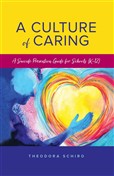 A
Culture of Caring: A Suicide Prevention Guide for Schools (K-12) was
created as a resource for educators who want to know how to get started and
what steps to take to create a suicide prevention plan that will work for their
schools and districts. It is written from my perspective as a school principal
and survivor of suicide loss, not an expert in psychology or counseling. I hope
that any teacher, school counselor, psychologist, principal, or district
administrator can pick up this book, flip to a chapter, and easily find helpful
answers to the questions they are likely to have about what schools can do to
prevent suicide.
A
Culture of Caring: A Suicide Prevention Guide for Schools (K-12) was
created as a resource for educators who want to know how to get started and
what steps to take to create a suicide prevention plan that will work for their
schools and districts. It is written from my perspective as a school principal
and survivor of suicide loss, not an expert in psychology or counseling. I hope
that any teacher, school counselor, psychologist, principal, or district
administrator can pick up this book, flip to a chapter, and easily find helpful
answers to the questions they are likely to have about what schools can do to
prevent suicide.