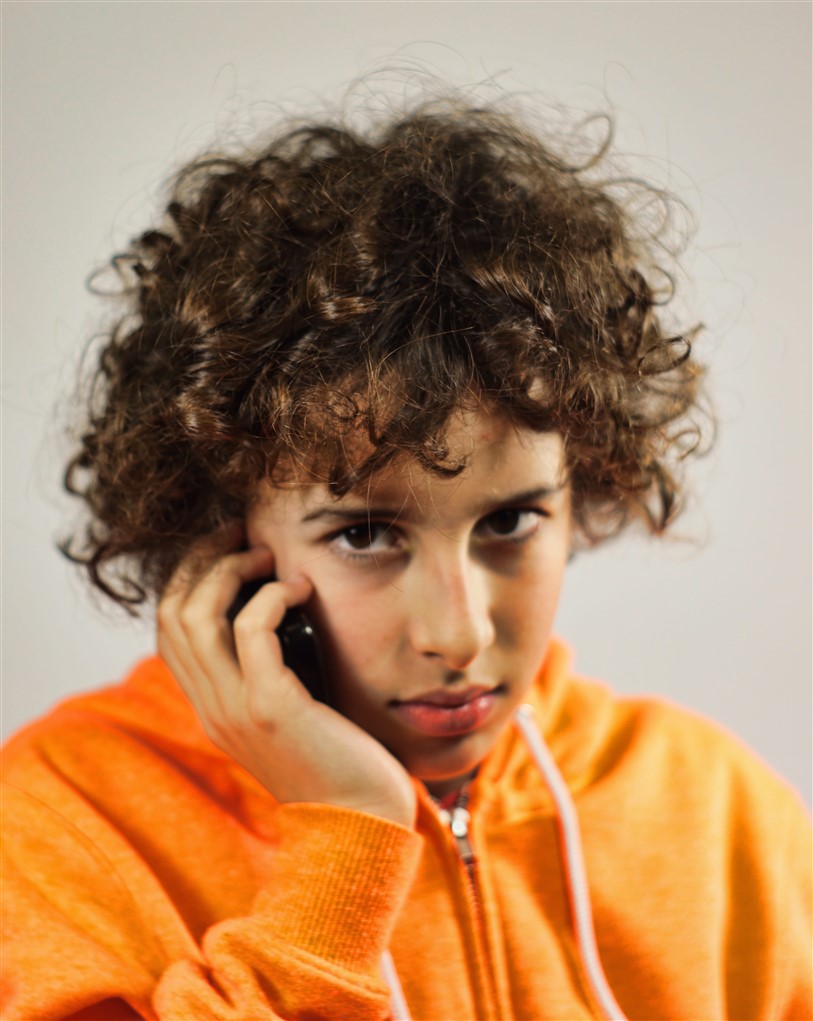
Contact 988 if you are in distress and need someone to talk to, someone to respond to you, and a safe place for help.
Anyone in crisis or emotional distress can contact 988 for mental health, substance use, and suicidal crises by call, text, or chat. Trained crisis counselors are available 24/7 to provide support, de-escalation, and connection to additional resources.

The National Suicide Prevention Lifeline launched in 2005 with the number 1-800-273-8255 (TALK). It received 46K calls in the first year. In 2006, they added a Spanish language option, and in 2007, a Veterans’ Crisis Line. In 2016, a chat option was added to the Google search engine that will pop up if a person types the word “suicide”.
By 2020, the Lifeline was receiving over 3.3M calls, chats, and texts. In July of 2022, the phone number was changed to 988 to make it easier to remember. By 2023, the number of contacts had increased to over 5 million each year.
In 2023, the 988 Lifeline launched specialized services for LGBTQI+ youth and young adults, but the federal government terminated this dedicated service on July 17, 2025.
Nearly 10% of contacts were from gay and transgender young people. While 988 remains available, the specific "PRIDE" text and "press 3" option is no longer available.
What happens when you contact 988?
Call
- First, you’ll hear a message that gives you service selection options, including Veterans (Press 1), Spanish-language (Press 2), or your local 988 Lifeline contact center.
- They’ll play some hold music while you are connected to a live counselor.
- A counselor will say hello and introduce themselves. The counselor will ask if you are safe.
- After they ask about your safety, your counselor will listen to you, understand how your problem is affecting you, provide support, and share any resources that may be helpful.
Text
- When you send a text to 988, you will be given options to connect with a live counselor from the main 988 Lifeline or our Spanish-language (text AYUDA) and information on how to text the Veterans Crisis Line at 838255.
- When you text “Next” you will be accepting our Terms of Service.
- You will then be asked to complete a brief survey to help your counselor understand how they can best support you.
- You’ll receive a “Wait” message with a survey link to optional questions while we connect you to a counselor.
- Your counselor will say hello and introduce themselves. Your skilled counselor will ask if you are safe.
- After they ask about your safety, they will be calm and comforting, listen to you, and provide support. They may also share helpful resources.
Chat
(You can find the chat option at 988lifeline.org/contact-us/.)
- After clicking “Chat” a new window with a brief survey will open. This survey helps our live counselors understand how to best support you and takes less than 5 minutes to complete.
- When you click “Start a Chat”, you are accepting the Terms of Service.
- You will then see a message that indicates we are connecting you to a live counselor.
- When you are connected, a counselor will say hello and introduce themselves. Your skilled counselor will ask if you are safe.
- After they ask about your safety, they will be calm and comforting, listen to you, and provide support. They may also share helpful resources.
988 can save lives
Every year since its inception, more people are reaching out to 988, and people are largely getting the help they need. 988 Lifeline Performance Metrics
Roughly 1 in 10 people (8%) have contacted 988 for themselves or someone else, and 71% indicate that they got some or all of the help they needed. More than half of people (54%) indicate that speaking to someone immediately is the most important factor in contacting 988 in a crisis, but about half of people (46%) aren’t sure when a situation is serious enough to contact 988 – both of which point to the need to continue investing in and educating people about this resource.
Research finds the 988 Suicide and Crisis Lifeline effective. For most people, the crisis call center is the intervention. Most callers do not need any of the in-person services. More than half of callers recently surveyed were women and nearly 75 percent between the ages of 18 and 34—overall reported that calling 988 was life-saving. More than 88 percent said the call had stopped them from dying by suicide, and 97.7 percent reported the call had helped them significantly, from a little to a lot. Very few reported that the call did not help them at all.
Can you call 988 for someone else?
When you call 988 for someone else, you are connected to a trained crisis counselor who provides guidance, support, and resources to help you manage the situation. The counselor listens, helps assess the risk, and offers advice on how to support your loved one, or connects you to local services.
- Confidential Support: The service is free, confidential, and available 24/7.
- Expert Advice: Counselors provide immediate, confidential, and safe support for individuals worried about a friend, family member, or loved one.
- Next Steps Guidance: You will receive advice on how to talk to the person and, if needed, how to connect them with mobile crisis teams or mental health services.
- Actionable Advice: The goal is to help you figure out the best next steps to take, without requiring you to provide personal information.
- Safety Priority: If the counselor believes the person is in immediate, life-threatening danger, they may contact emergency services (such as 911) for a wellness check.
If you are concerned about a loved one's mental health or a potential substance use crisis, calling 988 is a safe and proactive step.
What can go wrong?
Sometimes, 988 callers get unexpected and unwanted visits from law enforcement. Data suggests that 3.6% to 7.8% of 988 calls can result in police or emergency medical services (EMS) dispatch, often triggered by "active rescue" protocols when a counselor perceives an imminent risk of harm.
- "Active Rescue" Protocols: Counselors may call law enforcement without consent if they believe the caller is in immediate danger of suicide or harm to others.
- Involuntary Interventions: Some callers, particularly within marginalized communities, report that these interventions can be traumatic, involving involuntary transportation to hospitals or crisis centers.
- Transparency Concerns: Critics argue that the risk of police involvement is not always clearly disclosed to callers, leading to feelings of betrayal.
- Official Position: The 988 Lifeline asserts that law enforcement is a last resort, used in less than 2% of calls, and focuses on collaboration, mobile crisis teams, and least-restrictive care whenever possible.
If you are concerned about this risk, it is recommended to discuss it with the counselor at the beginning of the call, though this does not guarantee that law enforcement will not be contacted if they deem it necessary.
Certain groups of people are at higher risk of receiving unexpected visits from law enforcement. In particular, misunderstandings happen frequently between autistic and non-autistic individuals.
For a variety of reasons, autistic people of all ages are significantly more likely than neurotypical peers to experience suicidal thoughts and attempt suicide. In the compressed world of a 988 call, in which both counselor and caller are strangers with little information to go on besides the words they exchange, the potential for miscommunication is high.
Autistic callers face unique challenges when navigating the service. Autistic differences in tone, processing time, and emotional responses have led to misunderstandings and unnecessary emergency dispatches. Researchers and autistic advocates are now training 988 volunteers to adapt their methods to the specific needs of the autistic community.
Who is most likely to receive unexpected visits?
- Individuals with Immediate Risk: Callers who express active suicide ideation, possess a plan, have the means, or are suspected of an overdose.
- Marginalized Communities: Reports indicate that Black, Brown, LGBTQ+, and disabled individuals may experience higher rates of unwanted intervention.
- Those Seen as Unwilling/Unable to Stay Safe: If a counselor determines a caller cannot make a safety plan, they may dispatch emergency services without consent.
Courage and wisdom
If you or a person you care about is struggling with a mental health crisis, making a call to 988 and asking for help takes courage. For someone in the grip of suicidal ideation, it might seem like an impossible effort. But knowing in advance that help is out there could be the key to saving a life.
Being armed with the knowledge of what to expect and having 988 already saved in your contacts are protective factors. Make sure you have that safety net in place, and you know how to use it!
 A
Culture of Caring: A Suicide Prevention Guide for Schools (K-12) was
created as a resource for educators who want to know how to get started and
what steps to take to create a suicide prevention plan that will work for their
schools and districts. It is written from my perspective as a school principal
and survivor of suicide loss, not an expert in psychology or counseling. I hope
that any teacher, school counselor, psychologist, principal, or district
administrator can pick up this book, flip to a chapter, and easily find helpful
answers to the questions they are likely to have about what schools can do to
prevent suicide.
A
Culture of Caring: A Suicide Prevention Guide for Schools (K-12) was
created as a resource for educators who want to know how to get started and
what steps to take to create a suicide prevention plan that will work for their
schools and districts. It is written from my perspective as a school principal
and survivor of suicide loss, not an expert in psychology or counseling. I hope
that any teacher, school counselor, psychologist, principal, or district
administrator can pick up this book, flip to a chapter, and easily find helpful
answers to the questions they are likely to have about what schools can do to
prevent suicide.